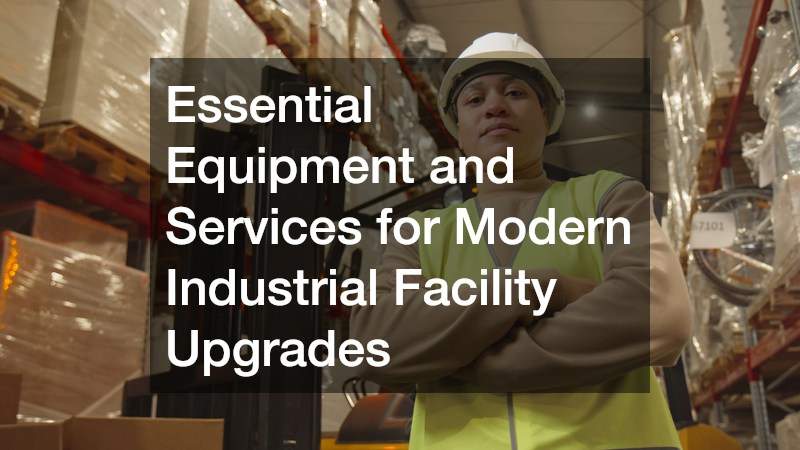
Maintaining a competitive edge in today’s manufacturing and distribution landscape requires more than just routine maintenance. As legacy infrastructure ages, consumer demand shifts, and technology advances, facility managers face a critical turning point: continue patching old systems or execute strategic facility upgrades. Modernizing an industrial site involves a delicate balance between maintaining ongoing production and implementing heavy-duty improvements.
Upgrading a facility is far more than simply purchasing shiny new machinery. True modernization encompasses everything from structural roof repairs and heavy rigging capability to fleet power optimization, long-lasting surface protection, and temporary utility redundancy. Every dollar invested must deliver measurable returns through reduced downtime, improved jobsite safety, lower energy consumption, and increased throughput. This guide explores the essential equipment, specialized services, and tactical strategies required to transform an aging facility into an agile, highly productive powerhouse.
Module 1: Exterior Building Envelope & Roof Infrastructure
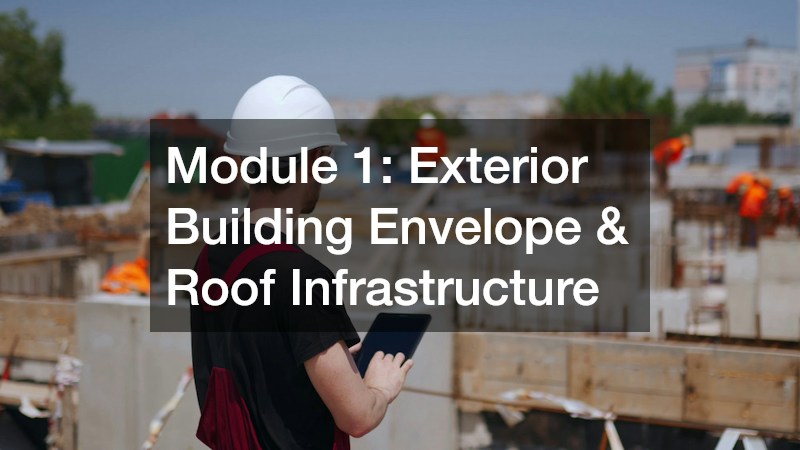
The physical envelope of an industrial building is its first line of defense against environmental degradation, thermal loss, and operational disruptions. Before introducing high-value automation or specialized machinery into a plant, the physical structure itself must be secured. A compromised exterior can lead to catastrophic water damage, inventory loss, and severe safety hazards.
Conduct Comprehensive Inspections Before Load-Bearing Retrofits
Introducing heavier rooftop HVAC systems, solar arrays, or overhead crane tracks places severe new stresses on existing roof decks. Before any equipment installation begins, facility directors must conduct complete structural load assessments.
- Perform thermal imaging surveys across the roof surface after sundown to locate trapped moisture beneath membrane layers.
- Inspect open-web steel joists, support columns, and structural decking for corrosion, sag, or historical stress fatigue.
- Execute structural core samples to verify the composition, thickness, and insulation values of the current building envelope.
- Hire a certified commercial roofer to inspect flashings, expansion joints, and drainage pathways to ensure the building can handle heavy equipment modifications.
Catching structural vulnerabilities early prevents costly emergency repairs and structural failures once heavy retrofits begin inside the plant.
Implement Modular Waste Management Systems During Structural Work
Major facility retrofits generate hundreds of tons of hazardous and bulk construction debris. Leaving scrap metal, old insulation, and concrete rubble scattered around an active jobsite creates severe logistics bottlenecks and safety risks.
- Designate clear, drop-bottom debris staging zones away from high-traffic loading docks to prevent interfering with incoming and outgoing freight.
- Arrange for strategically sized dumpster rentals to manage continuous waste streams from tearing out old roofing materials and wall panels.
- Separate recyclable materials—such as scrap steel, copper wiring, and clean concrete—from general construction waste to offset disposal costs.
- Establish a clear schedule for debris hauling to ensure containers are emptied before reaching capacity limits.
Proper waste management protocols maintain clear emergency exit pathways and keep heavy machinery corridors open during construction.
Module 2: Heavy Lifting & Structural Expansion Capabilities
Expanding operational capacity often means moving massive equipment or building upward within an existing facility footprint. Executing heavy lifting and structural additions inside or directly adjacent to an operational plant requires precision engineering, specialized rigging equipment, and strict adherence to load management protocols.
Plan Rigging Operations with Precise Spatial and Capacity Load Maps
Moving heavy tanks, industrial ovens, or multi-ton stamping presses into position leaves zero room for error. Structural engineers and rigging teams must plan every step of the lift long before heavy equipment arrives on site.
- Calculate exact ground load-bearing capacities, factoring in sub-grade utility lines, floor slab thickness, and soil compaction.
- Evaluate overhead clearance vectors, taking note of bridge cranes, fire suppression pipe networks, and high-voltage bus ducts.
- Establish clear exclusion zones and safety perimeters to protect plant personnel during heavy machinery lifts.
- Partner with a licensed crane service to develop engineered lift plans that specify exact outrigger positioning, boom angles, and rigging hardware ratings.
Detailed spatial planning eliminates blind spots, protects worker safety, and prevents accidental damage to high-value plant equipment.
Design Custom Structural Components for Facility Layout Changes
Standard off-the-shelf industrial hardware rarely fits the precise dimensions of an older facility undergoing modernization. Custom metal structures are often necessary to elevate equipment, add mezzanine space, or support new conveyor infrastructure.
- Draft precision 3D CAD models of all planned structural additions, verifying integration points with existing building columns.
- Design custom catwalks, maintenance access platforms, and safety crossover stairs that comply fully with federal safety standards.
- Ensure all structural welds and connections undergo non-destructive testing before placing heavy machinery onto newly installed platforms.
- Secure precise steel fabrication services to build heavy-duty equipment supports, custom trusses, and load-bearing framing tailored specifically to your plant’s geometry.
Custom-engineered steel structures maximize usable vertical footprint and ensure new production lines integrate smoothly into existing buildings.
Module 3: Powering Heavy Fleet & Internal Logistics
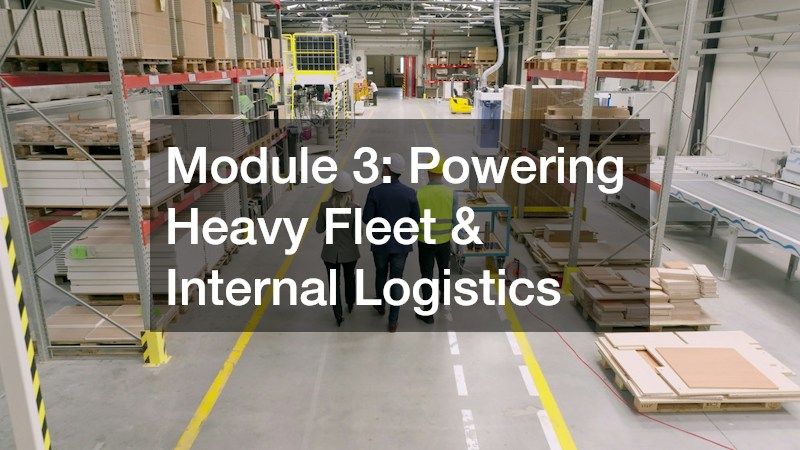
An upgraded plant floor requires a highly efficient internal logistics system to feed raw materials to production lines and move finished goods to warehouse racks. Maintaining continuous material flow depends on a reliable, well-maintained fleet of material handling equipment and dependable heavy power units.
Optimize Material Handling Fleets for High-Density Operations
As facilities expand vertically with narrow aisles and higher racking, the demands placed on material handling vehicles increase substantially. Fleet managers must select machinery that offers the right balance of lifting capacity, maneuverability, and power efficiency.
- Assess facility driveways, floor conditions, and aisle widths to choose between cushion tires for smooth interior concrete or pneumatic tires for rough outdoor yards.
- Transition high-use indoor fleets to advanced lithium-ion or fuel-cell power options to eliminate fuel emissions and reduce battery swapping downtime.
- Install telematics across all yard equipment to monitor operator safety, track impact events, and schedule preventative maintenance.
- Select the right forklift models, including reach trucks, order pickers, and heavy-duty counterbalance units, to handle specific pallet sizes and weight profiles.
Right-sizing and modernizing your material handling fleet eliminates interior transport bottlenecks and ensures consistent workflow between departments.
Repower Heavy Facility Equipment Without Full Replacement Costs
Replacing heavy industrial equipment, such as yard locomotives, large backup generators, or mobile yard cranes, requires substantial capital expenditure. When structural frames and hydraulic systems remain sound, repowering the prime mover offers a cost-effective alternative to purchasing new assets.
- Run oil analysis, compression testing, and vibration monitoring on aging diesel powertrains to identify wear patterns before total mechanical failure occurs.
- Evaluate the total cost of ownership of a complete machine replacement versus an engine repower project, accounting for tax depreciation and downtime.
- Upgrade auxiliary engine systems, including high-capacity radiators, modern electronic control units, and advanced air filtration systems.
- Install a remanufactured Caterpillar engine to restore original torque specifications, lower fuel consumption, and gain reliable performance at a fraction of the cost of new equipment.
Repowering key heavy machinery extends asset service life, conserves capital budget, and delivers modern engine efficiency without major operational disruptions.
Module 4: Floor Systems & Corrosion Control Coatings
Industrial floors and metal structural assets endure constant stress from chemical spills, heavy rolling loads, thermal shock, and environmental exposure. Protecting these surfaces with advanced coatings preserves structural integrity, improves safety, and maintains clean working environments.
Prepare and Seal Concrete Floors for Extreme Chemical and Traffic Wear
Concrete floors in manufacturing plants endure continuous punishment from loaded vehicles, abrasive dust, and chemical exposure. Unprotected concrete eventually pits, cracks, and releases dust that damages sensitive electronics and finished products.
- Mechanical surface preparation is essential; use shot-blasting or diamond grinding to achieve the proper surface profile for optimal chemical bonding.
- Test concrete slabs for moisture vapor emission rates and relative humidity to prevent coating delamination or blistering later on.
- Fill all expansion joints, control joints, and structural floor cracks with flexible polyurea joint fillers to prevent edge spalling under hard wheel traffic.
- Apply high-performance industrial epoxy systems to create a seamless, chemical-resistant, non-porous floor surface that is easy to sanitize and brightly reflects ambient light.
Properly prepared and sealed industrial floors improve light reflectivity, reduce dust generation, and withstand severe chemical and physical wear for years.
Protect Structural Metal and High-Heat Equipment from Corrosion
Corrosion is a silent threat that degrades structural steel beams, storage tanks, rooftop piping, and exhaust stacks over time. Left unchecked, rust weakens structural integrity and leads to costly emergency downtime.
- Perform thorough surface cleaning according to industry standards, removing mill scale, rust, grease, and old, failing paint.
- Apply specialized rust-inhibiting primers engineered specifically for structural steel exposed to aggressive high-humidity or chemical environments.
- Use heat-reflective topcoats on outdoor storage tanks and piping to minimize solar heat gain and protect underlying metal substrates.
- Utilize specialized industrial grade aluminum paint on structural framing, high-heat piping, and metal siding to provide durable corrosion protection and thermal resistance.
Investing in high-performance protective coatings shields critical structural assets from harsh environmental factors and significantly extends their service life.
Module 5: Compressed Air Integration & Raw Material Processing
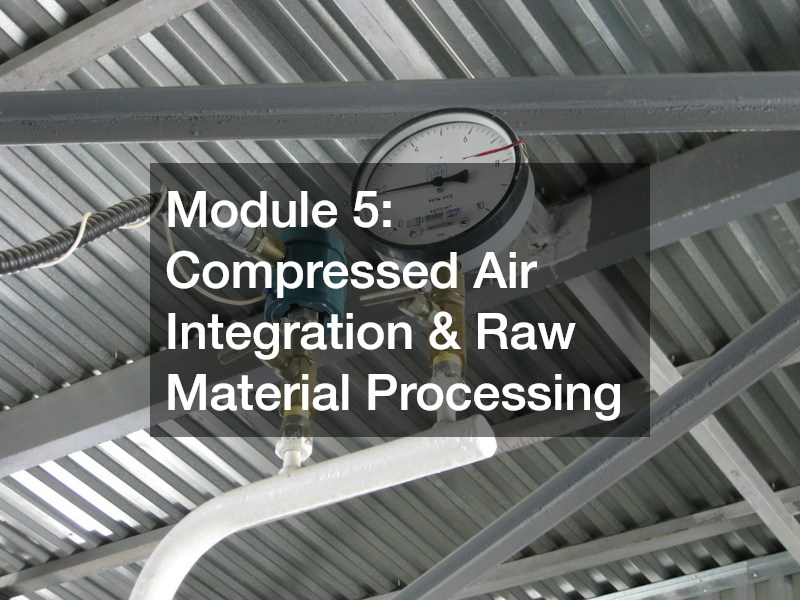
Compressed air is often called the fourth utility in industrial manufacturing. It powers everything from pneumatic hand tools and automated valves to large-scale material handling systems. Ensuring reliable compressed air and optimizing material input systems are essential steps in any plant modernization.
Maintain Utility Continuity During Air System Maintenance and Upgrades
Upgrading or overhauling a central compressed air plant often requires taking primary compressors offline. Because lost air pressure halts production across entire assembly lines, facility managers must put temporary air solutions in place before starting compressor upgrades.
- Calculate peak and baseline CFM requirements across all plant shifts to size temporary air generation correctly.
- Integrate high-capacity inline desiccant or refrigerated air dryers to remove moisture and oil contaminants before air enters distribution lines.
- Install temporary tie-in manifolds with bypass valves so temporary air sources connect directly into primary plant distribution headers.
- Secure a reliable air compressor rental unit to deliver steady, clean, dry air throughout major utility upgrades or primary system maintenance.
Temporary compressed air systems maintain plant productivity during major utility maintenance and prevent unexpected line pressure drops.
Optimize Raw Material Delivery Systems for High-Speed Automated Lines
For plastics manufacturers, packaging plants, and high-speed bottling facilities, maintaining a steady, precise flow of raw material into production equipment is critical to meeting output goals. Interruptions or defects in raw material feeds lead to machine downtime and high scrap rates.
- Implement automated pneumatic conveying lines to transport raw materials directly from storage silos to injection molding or blow molding machines.
- Maintain strict climate control and moisture management protocols in raw material storage zones to prevent resin clumping and material degradation.
- Upgrade quality control sensor systems along feeding lines to detect dimensional defects or foreign debris before materials reach processing units.
- Streamline high-volume molding lines with high-quality plastic preform stock to achieve consistent wall thickness, high clarity, and fast cycle times in container manufacturing.
Optimizing raw material handling and sourcing consistent input components maximizes output speeds, minimizes machine jams, and ensures high product quality.
Strategic Blueprint for Facility Upgrade Execution
To ensure a facility upgrade project stays on schedule and within budget, use this phase-by-phase execution roadmap:
- Building Envelope & Structural Upgrades: Perform comprehensive structural roof inspections, complete required envelope repairs, establish waste management zones, and position collection containers to keep access roads clear.
- Heavy Lifting & Layout Modification: Develop engineered lift plans for heavy equipment installations, and fabricate and install custom structural steel mezzanines, platforms, and equipment supports.
- Flooring, Coatings & Surface Defense: Execute mechanical surface preparation and floor sealing for high-traffic floor zones, and apply protective coatings to structural steel, piping, and high-temperature machinery.
- Utilities, Fleet & Production Lines: Connect temporary compressed air units to maintain plant pressure during main system maintenance, modernize material handling equipment, repower heavy equipment drives, calibrate automated raw material delivery systems, and stock high-consistency processing inputs.
Upgrading Modern Facilities With These Services
Modernizing an industrial facility is a complex, capital-intensive undertaking that requires careful planning, robust engineering, and seamless execution. By addressing fundamental facility needs—from structural roof protection and heavy lifting capabilities to fleet optimization, durable surface coatings, and continuous utility delivery—facility managers build a strong foundation for long-term operational success.
The key to a successful upgrade lies in thorough planning and partnering with skilled, reliable service providers. Taking a systematic, phase-by-phase approach minimizes operational downtime, protects workers, and lowers long-term operating costs. Upgrading your industrial facility with durable materials, high-efficiency equipment, and reliable temporary services ensures your plant remains safe, productive, and ready for future growth.